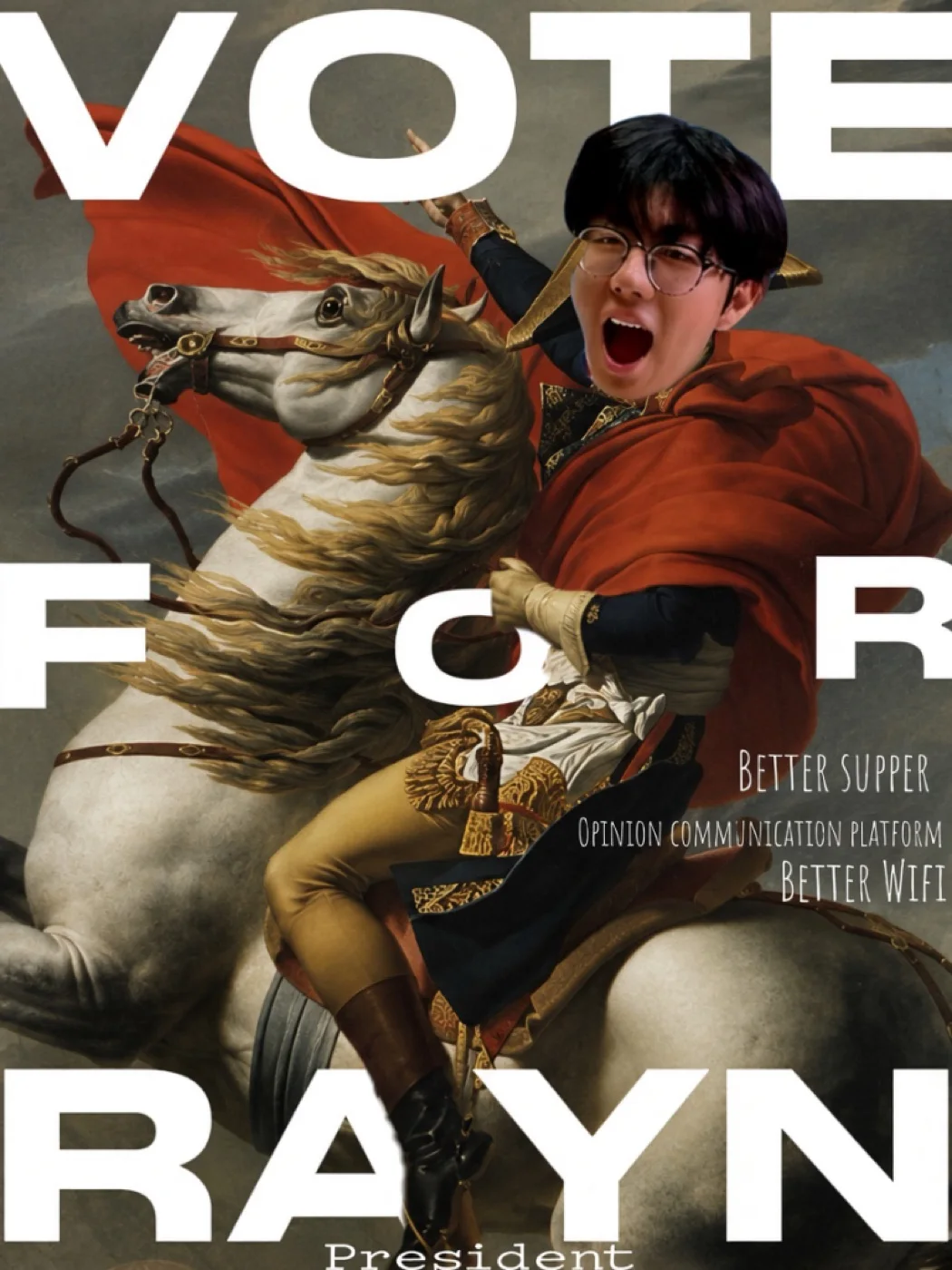
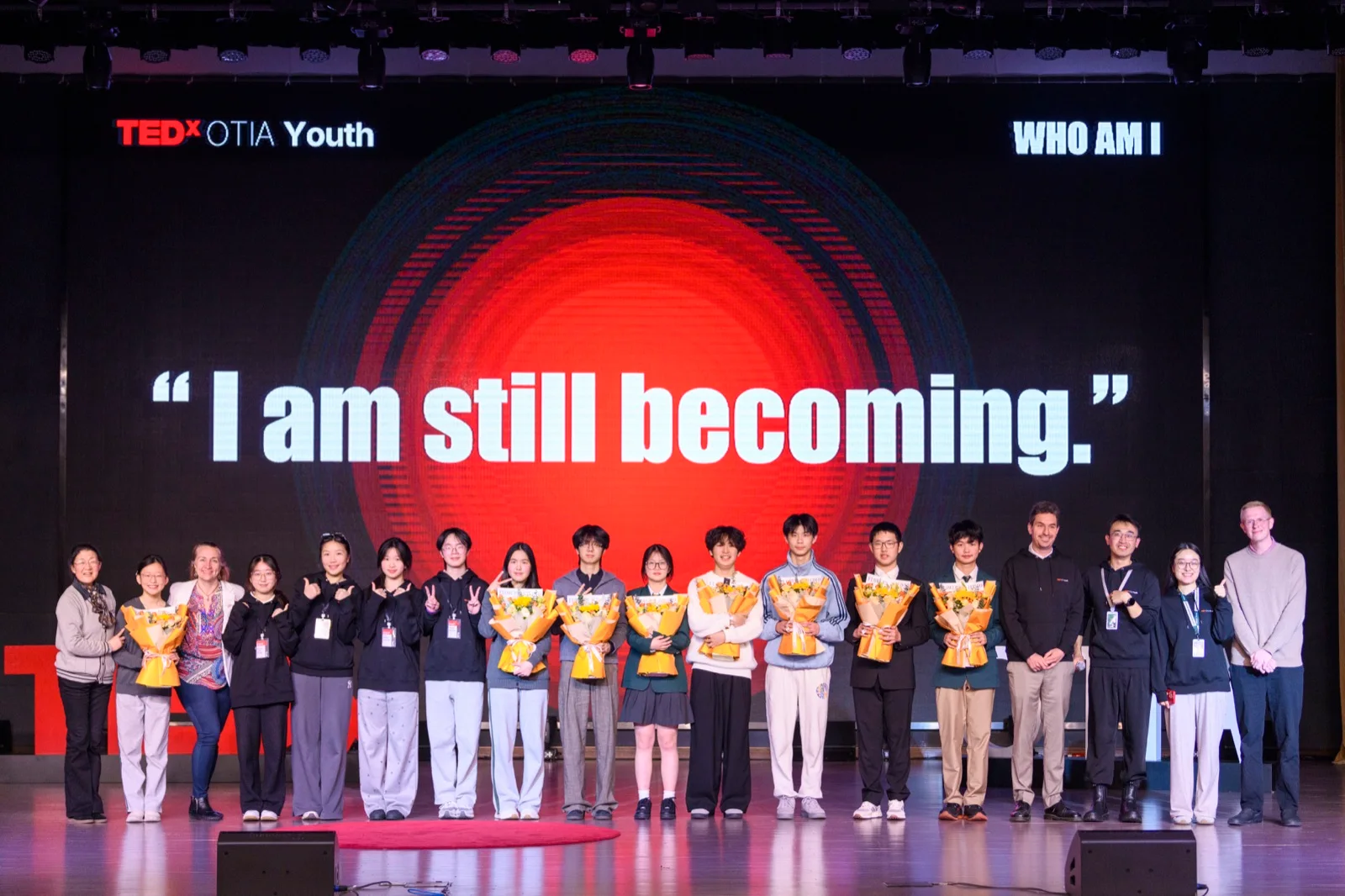
Vice President
The work is mostly invisible: turning complaints into a plan, and keeping a room moving.
01 / Context
Student councils are often judged by events. The harder work is infrastructure: who gets to speak, what happens after, and how you share authority without slowing everything down.
Most of it is not a stage moment. It is the meeting before the meeting, the route after the complaint, the agreement that lets something happen.
02 / What I did
I co-led the council, ran meetings, and worked with students and staff on the conditions that make student voice possible.
That included the unglamorous parts: translating a complaint into a proposal, keeping a group moving when it disagreed, and protecting the people who were willing to speak.
03 / What I noticed
A role can give you a seat, but not automatically a mandate. Authority is borrowed every time you ask people to trust a process.
Student Hub sits alongside this work. The question is the same: how do you share authority without losing momentum?
04 / What I’m asking now
How do you turn a one-off win into a repeatable channel? How do you hand power to people who were not in the room when the decision was made?
I am still learning. If you have done this work in a student organization, I would like to hear how you did it.