
Norms &
Negotiations
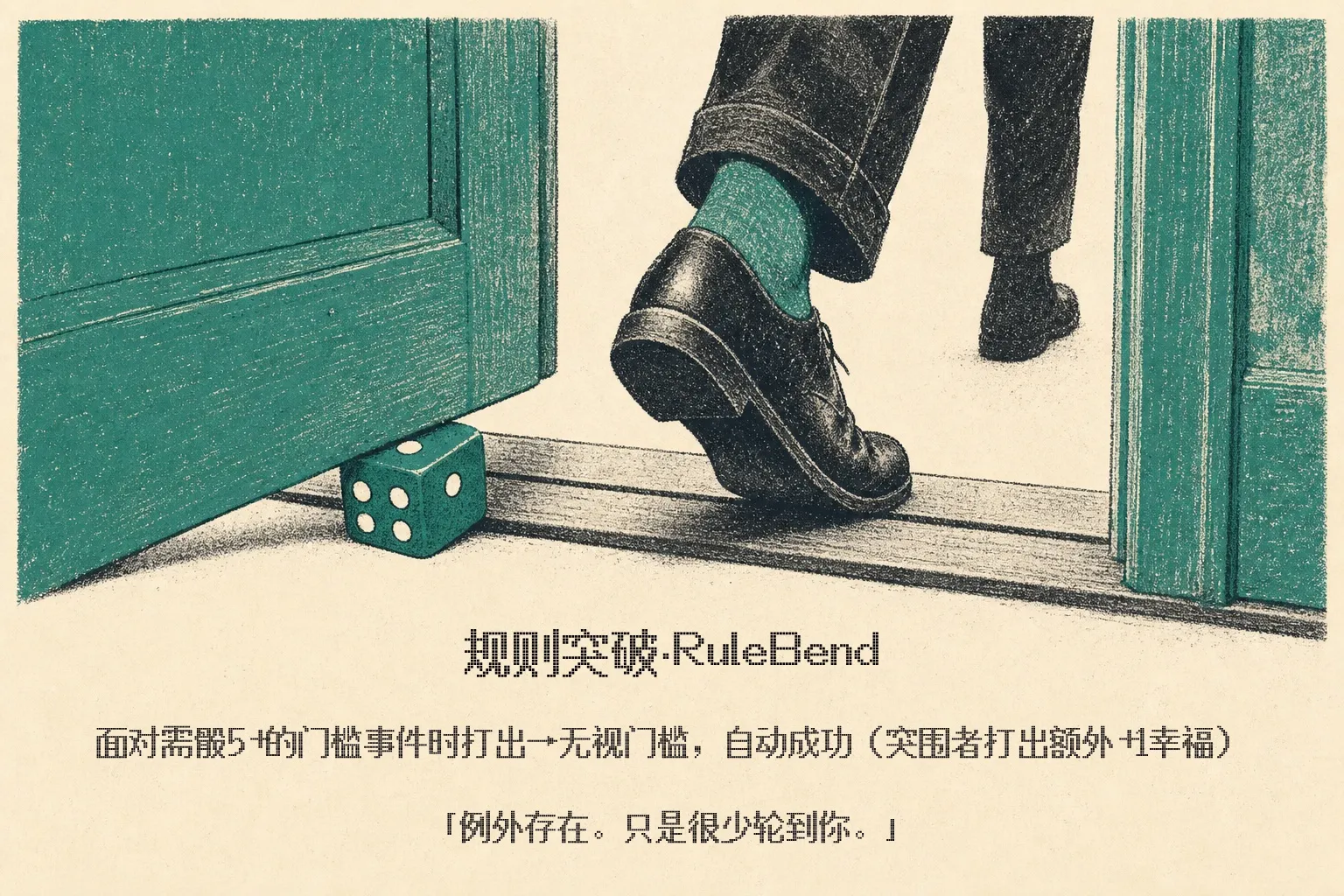
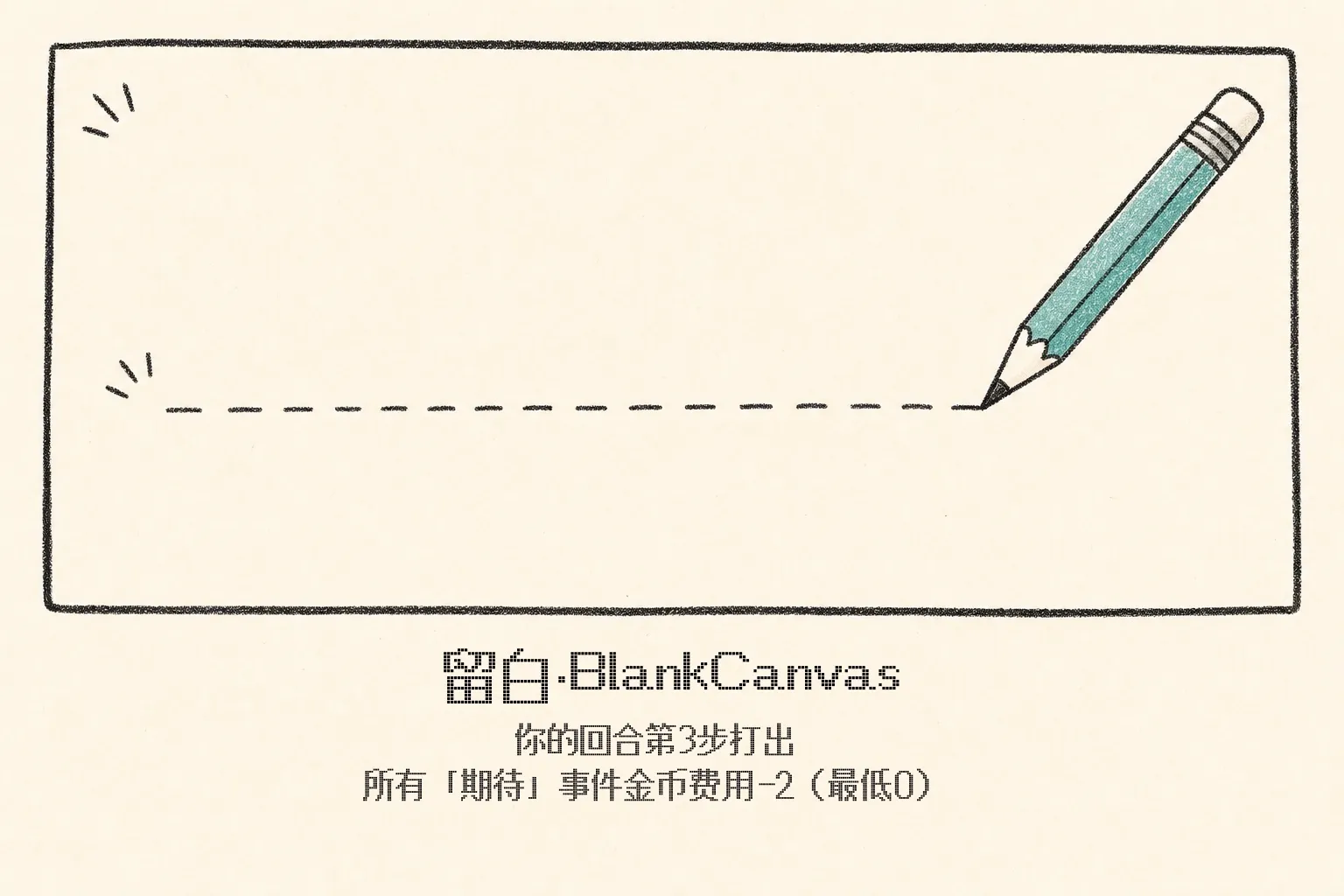
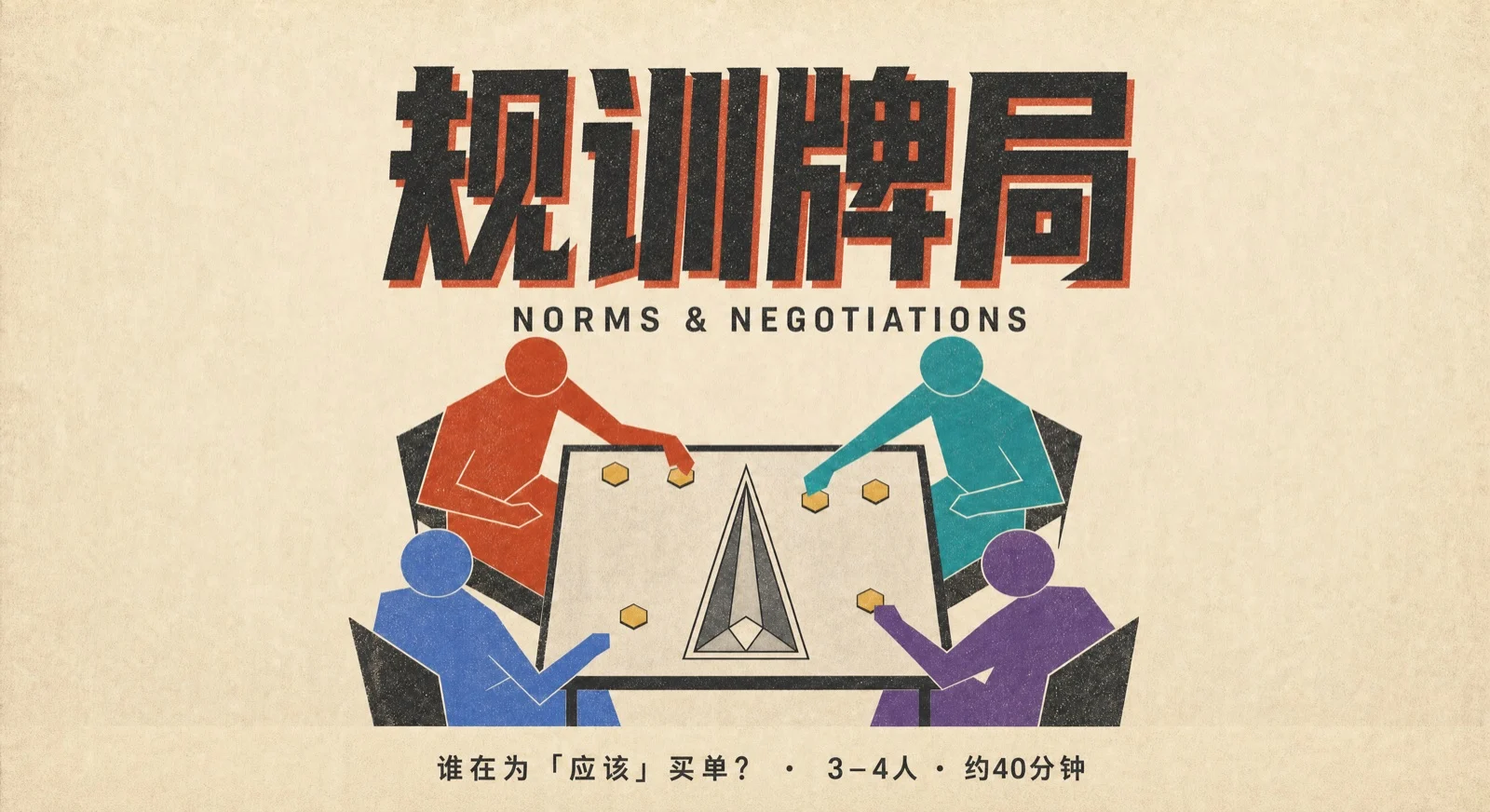
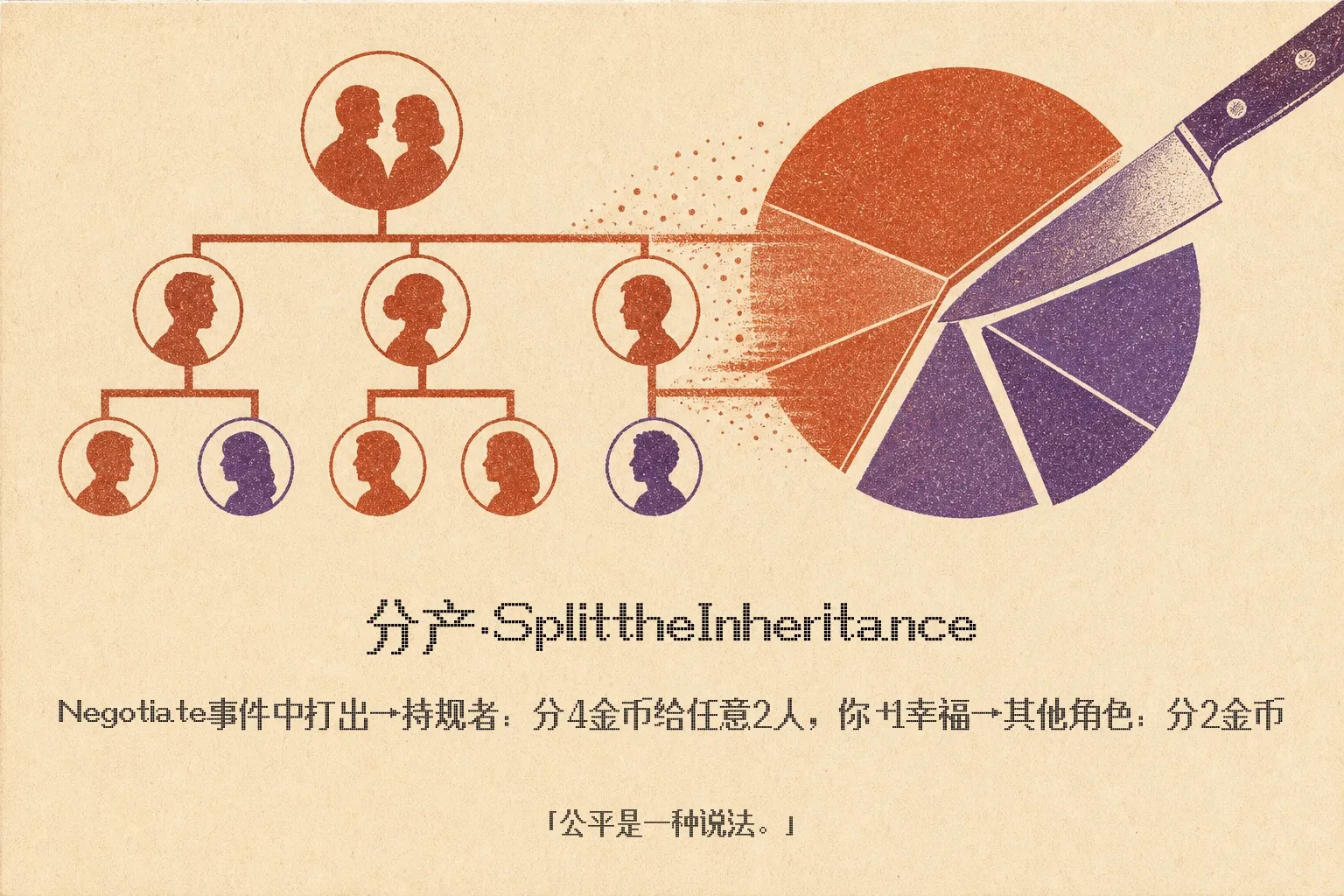
A tabletop game about who pays for “should”.
We usually call choices personal. By the time an option appears, norms have already priced it. The game makes that distribution playable.
Who gets seen —
and who answers?
I’m an AS student in Hangzhou. My work starts with a question: how do norms decide who is seen, and what does it take for a system to answer?
Different in form. Consistent in the question.
A tabletop game, a student hub, and a room full of people — four attempts at the same question.
A tabletop game about who pays for “should”.
We usually call choices personal. By the time an option appears, norms have already priced it. The game makes that distribution playable.
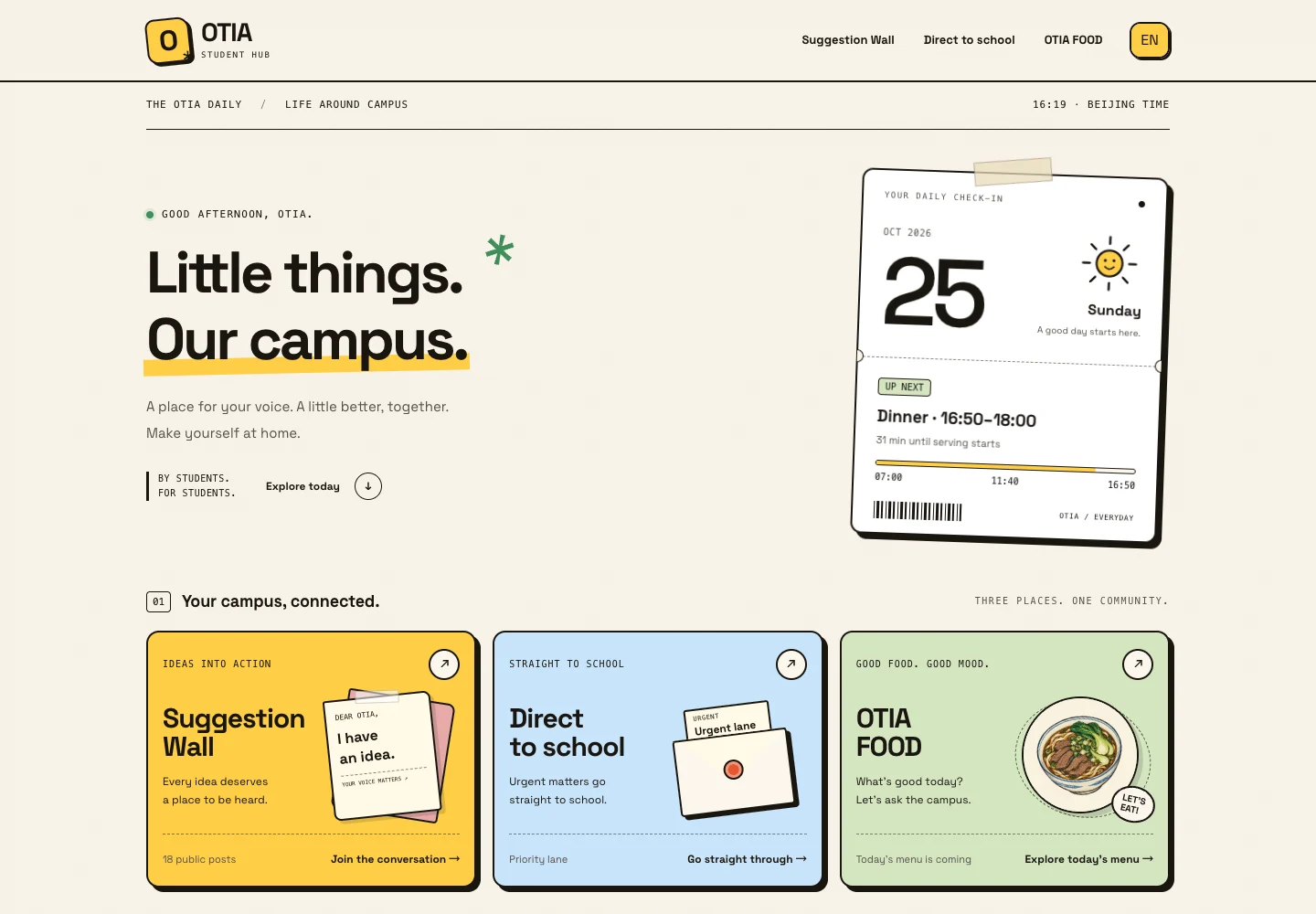
A public wall for student voice — and a route to a response.
Student feedback often disappears into private chats or a single suggestion box. This turns it into a loop: speak → see → route → respond.
A student posts a thought, a complaint, or a small idea.
The wall makes the pattern public, not private.
The direct channel gives the pattern somewhere to go.
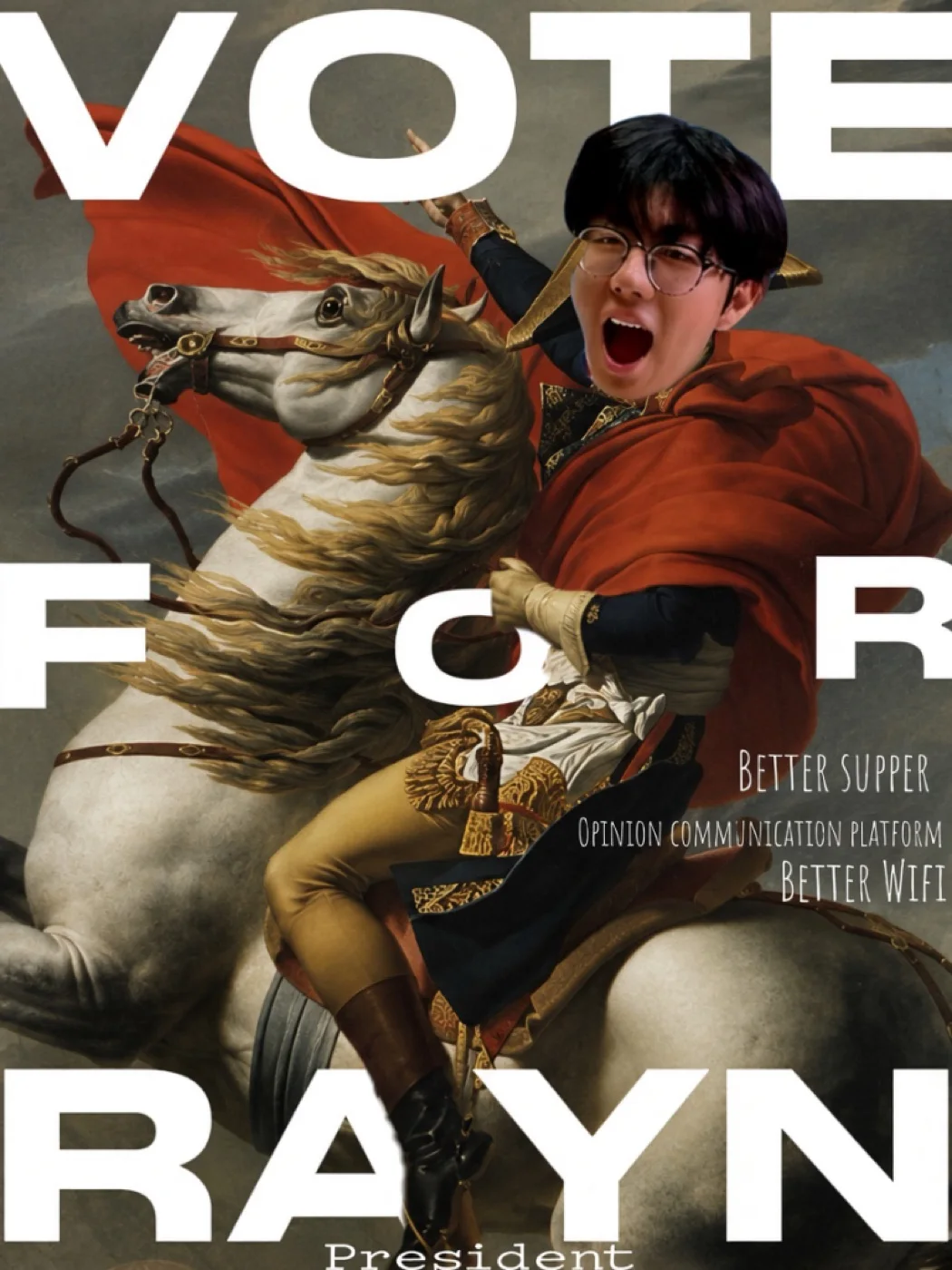
“The work is mostly invisible: turning complaints into a plan, and keeping a room moving.”
Most of the work is not a stage moment. It is the meeting before the meeting, the route after the complaint, the agreement that lets something happen.
A weekly signal filter for new developer tools.
A different kind of signal from the rest of this site: ranking, editorial judgement, and a calmer reading surface, kept close but not first.
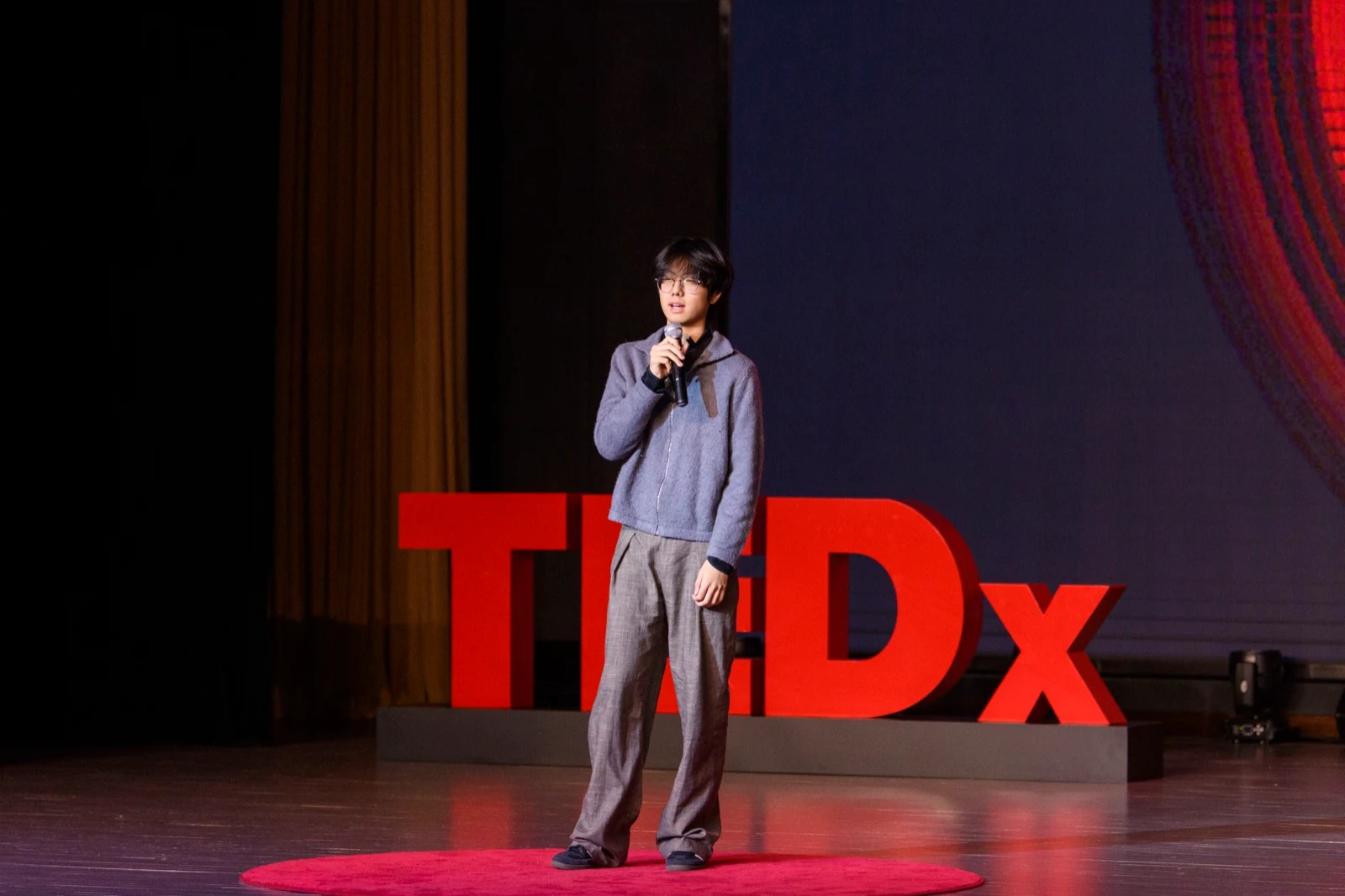
The talk is public now. It holds a question about regret, and the version of yourself it leaves behind. I am keeping the notes around it here — not as a transcript, but as the thinking that survived the stage.
Read the talk notes“I am still becoming.”
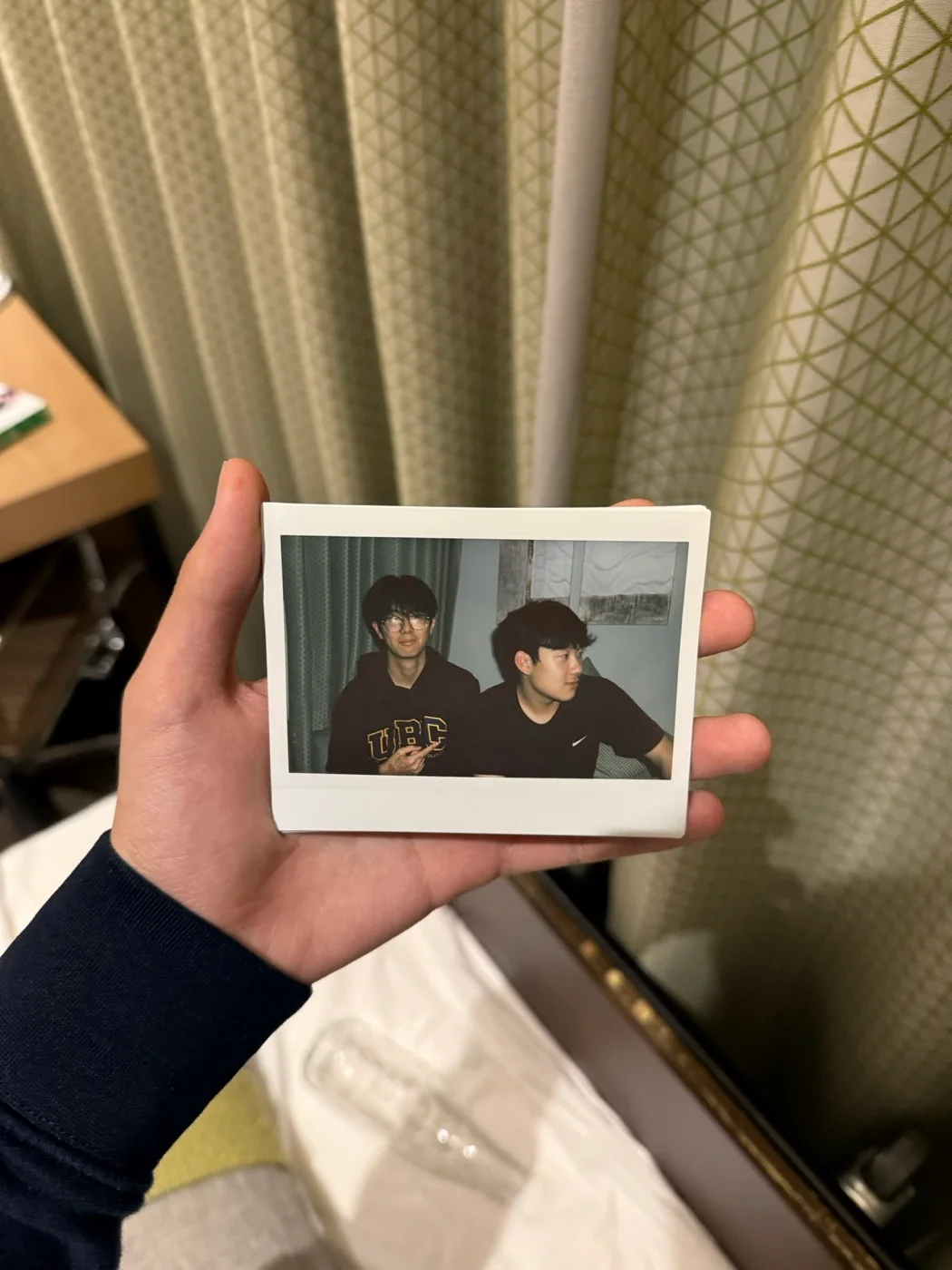
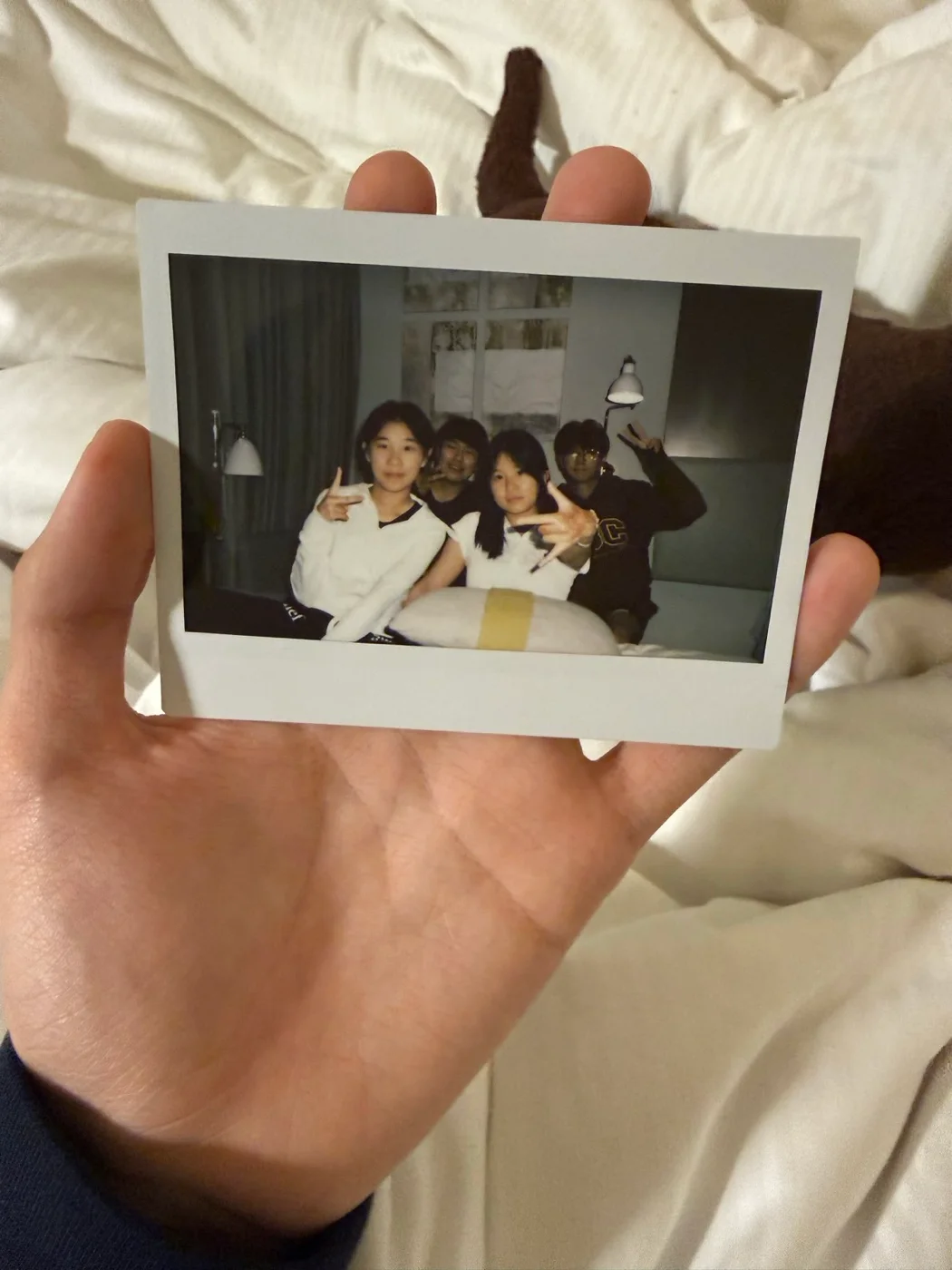
A few prints from the people who make the work possible. Not a friend wall — a reminder that none of this happens alone.
October 2026. The things that are actually moving, not the things that would look good on a list.